
Why Unplugged Play is Essential for Preschoolers
Before digital devices became common, play was the primary way children learned about the world. Screen-free play is not just about keeping kids busy; it's a fundamental building block for cognitive, social, and physical growth. When children engage in unstructured play, they build crucial life skills.
Benefits of Screen-Free Play
- Cognitive Development: Building with blocks, solving puzzles, and engaging in pretend play all stimulate problem-solving skills and creativity. This type of play encourages children to think critically and use their imagination in ways that passive screen watching does not.
- Social and Emotional Skills: Playing with others teaches preschoolers about sharing, negotiation, and empathy. They learn to read social cues and manage their emotions when navigating playtime with friends or siblings.
- Physical Health: Running, jumping, and climbing are vital for developing gross motor skills, coordination, and strength. Outdoor play, in particular, provides sensory experiences that screens cannot replicate.
- Language and Communication: Through imaginative play, children expand their vocabulary and practice storytelling. Interacting with parents and peers during play is a powerful way to build strong communication skills.
The Role of Screen Time in a Preschooler's Life
Completely banning screens is not always practical or even necessary. When used thoughtfully, digital media can be a valuable tool for learning and entertainment. The key is to focus on quality content and co-engagement, rather than allowing screens to become a passive babysitter.
Making Screen Time Positive
Not all screen time is created equal. The difference between passively watching videos and engaging with an interactive educational app is significant. High-quality content encourages participation, introduces new concepts, and can even inspire offline activities.
- Educational Content: Look for apps and shows that focus on literacy, math, science, and problem-solving. Many programs are designed by child development experts to align with early learning goals.
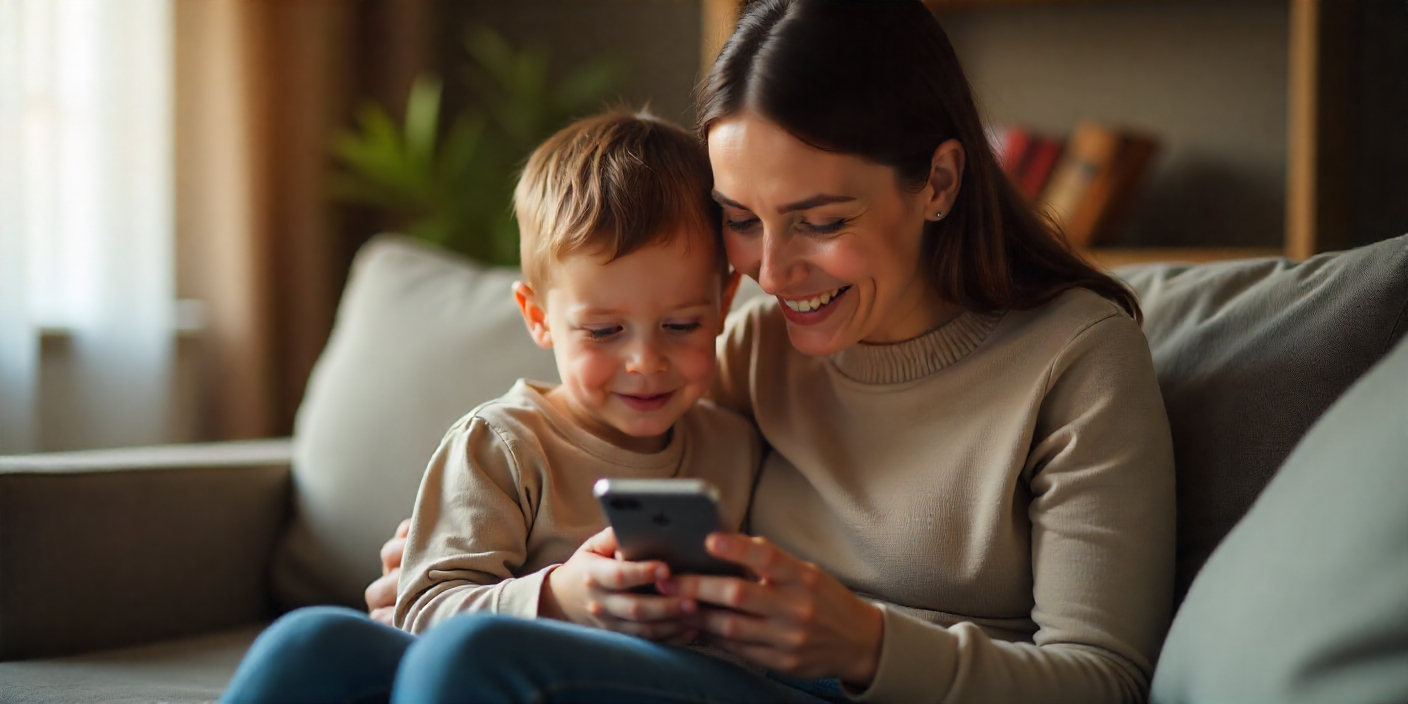
- Co-Viewing and Interaction: Watch with your child. Talk about what you're seeing on the screen. Ask questions like, "What do you think will happen next?" or "Why did that character do that?" This transforms a passive activity into an active, shared experience.
- Setting Clear Limits: The American Academy of Pediatrics recommends limiting screen use to about one hour per day of high-quality programming for children ages 2 to 5. Establishing and sticking to these limits is crucial.
Practical Tips for Finding the Perfect Balance
Creating a balanced media diet for your preschooler requires a proactive approach. It's about making conscious choices that prioritize your child's overall well-being. Here are actionable tips to help you find that sweet spot between tech and tradition.
1. Create a Family Media Plan
Sit down and establish clear rules about when, where, and for how long screens can be used. A plan removes the guesswork and reduces daily negotiations. Designate "screen-free zones," such as the dinner table and bedrooms, to protect family time and sleep.
2. Prioritize Unplugged Activities
Make screen-free play the default option. Keep engaging, age-appropriate toys, books, and art supplies easily accessible. When your child says, "I'm bored," suggest a non-screen activity first. Go for a walk, build a fort, or read a book together. These moments create lasting memories.
3. Curate High-Quality Content
Take the time to research and preview apps, games, and shows before introducing them to your child. Resources like Common Sense Media offer reviews and ratings to help parents make informed choices. Choose interactive content over passive viewing whenever possible.
4. Use Timers for Screen Time
Using a visual timer can help a preschooler understand when screen time begins and ends. Give a five-minute warning before the timer goes off to ease the transition. Consistently enforcing the end of screen time helps manage expectations and prevent meltdowns.
5. Lead by Example
Your media habits have a powerful influence on your child. Be mindful of your own screen use, especially when you are with your preschooler. Put your phone away during meals and playtime to show your child that you value face-to-face interaction above digital distractions.
6. Connect Digital Learning to the Real World
Use screen time as a jumping-off point for real-world exploration. If you watch a show about animals, plan a trip to the zoo or a local park. If you play a building app, get out the blocks and create your own structures. This helps solidify learning and shows that screens are just one of many tools for discovery.
Conclusion: A Balanced Approach for Healthy Growth
Balancing screen time and screen-free play is not about achieving perfection, but about being intentional. By understanding the unique benefits of each, you can guide your preschooler toward a healthy relationship with technology. Focus on quality over quantity, prioritize human connection, and embrace the power of play. These steps will empower you to create a nurturing environment where your child can thrive both on and off the screen.