10+ Fun Educational Games for Preschoolers
Play is the work of childhood, and for good reason.
For preschoolers, every game is an opportunity to learn about the world around them.
Educational games transform learning into a joyful adventure, helping young children develop crucial skills without even realizing it.
This guide offers a variety of games that support everything from literacy and math to social skills and problem-solving.
We will explore over ten engaging activities you can easily set up at home or in the classroom.
You'll find games for building foundational academic skills, sparking creativity, and even developing emotional intelligence.
Alphabet and Phonics Games
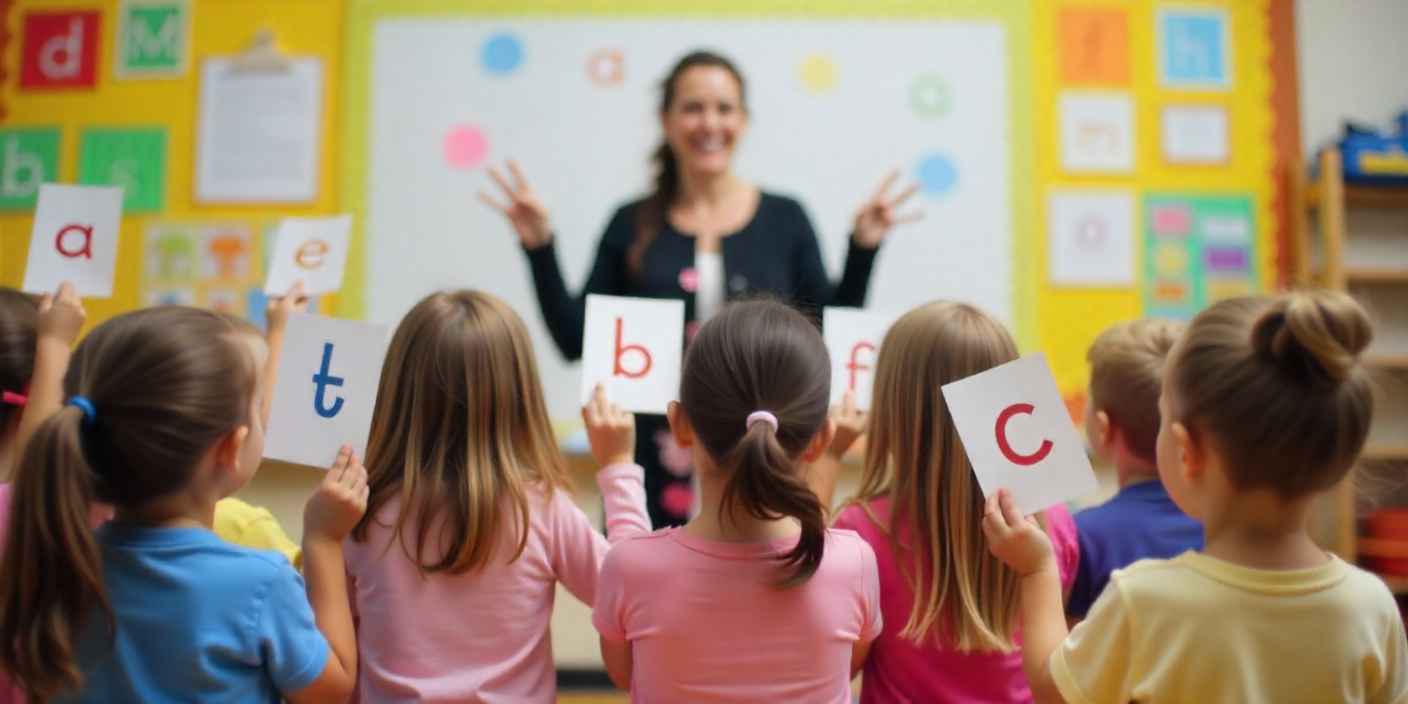
Building a strong foundation in literacy starts with recognizing letters and their sounds.
These games make learning the alphabet a playful experience.
-
Letter Matching
A simple yet effective game is matching uppercase and lowercase letters. You can use magnetic letters on a fridge, printed flashcards, or foam letters in a sensory bin. This activity reinforces visual recognition of the alphabet.
-
Phonics Bingo
Create bingo cards with letters instead of numbers. Call out a letter's sound ("Find the letter that makes the 'buh' sound"), and have children place a marker on the corresponding letter. This directly connects letters to their phonetic sounds, a key pre-reading skill.
Counting and Number Games
Early numeracy skills are just as important as literacy. These games introduce numbers and counting in a fun, hands-on way.
-
Number Hunt
Similar to an Easter egg hunt, hide numbered cards or blocks around a room or yard. Ask your child to find them and arrange them in the correct order. This combines physical activity with number sequencing.
-
Counting Songs
Interactive songs like "Five Little Ducks" or "Ten in the Bed" are classics for a reason. They use repetition, rhythm, and finger-play to make counting concepts stick. The narrative helps children visualize numbers decreasing one by one.
Featured Game: Alphabet Treasure Hunt
The Alphabet Treasure Hunt is a fantastic way to get kids moving while they learn their letters. It’s highly adaptable and combines letter recognition with problem-solving.
Objective:
To help preschoolers recognize letters, associate them with words, and develop motor skills while searching for "treasures."
How to Play:
- Preparation: Hide alphabet cards (you can use uppercase, lowercase, or a mix of both) around the room, yard, or classroom. For an extra layer of learning, place a small object next to each letter that starts with that sound (e.g., an apple next to "A," a shoe next to "S").
- Instructions: Give each child a list of letters or an alphabet board. Their mission is to find the hidden letters and mark them off their list. For an additional challenge, ask them to name a word that starts with the letter they just found.
Variations:
- Themed Hunt: Create a pirate-themed hunt where letters are clues leading to a final treasure chest (filled with stickers or small toys).
- Color-Coded: Use letters printed on different colored paper. You can instruct children to "find all the blue letters" or "find one red letter and one green letter."
- Word Building: For more advanced learners, have them find the specific letters needed to spell simple words like "CAT," "SUN," or their own name.
Educational Benefits:
This game reinforces letter recognition, improves letter-sound association, encourages physical activity, and develops problem-solving skills as they search for the hidden items.
Shape and Color Recognition
Understanding shapes and colors are fundamental concepts that help children categorize and make sense of their environment.
-
Shape Sorter Toys
The classic shape sorter is an excellent tool for teaching toddlers and preschoolers about squares, circles, triangles, and more. It develops fine motor skills and hand-eye coordination as they figure out which shape fits into which slot.
-
Color Scavenger Hunt
This is a simple game with endless possibilities. Give your child a color, like "red," and send them on a mission to find as many red objects as they can around the house. It's a great way to reinforce color names in a real-world context.
Memory and Matching Games
Memory games are powerful tools for improving concentration, focus, and visual recognition.
-
Memory Cards
Use a set of picture cards with pairs of matching images. Lay them all face down and have children flip over two at a time, trying to find a match. Start with a small number of pairs (4-6) and gradually increase the difficulty.
-
Animal Pairs
Take the matching concept a step further by matching baby animals to their mothers or animals to their habitats. This adds a layer of biological science to the classic memory game format.
Creative and Problem-Solving Games
Encouraging creativity and logical thinking helps preschoolers become more independent and confident learners.
-
Playdough Creations
Playdough is an incredible medium for learning. Children can roll it into snakes to form letters, use cookie cutters to make shapes, or simply build whatever they imagine. This strengthens hand muscles needed for writing and promotes creative expression.
-
Simple Puzzles
Age-appropriate jigsaw puzzles with large, chunky pieces are perfect for this age group. Puzzles teach patience, shape recognition, and the satisfaction of completing a goal.
Storytelling and Social-Emotional Learning
Developing emotional intelligence and social skills is a critical part of a preschooler's education.
-
Emotion Charades
Act out different emotions—happy, sad, surprised, angry—and have your child guess which one you are portraying. Then, switch roles. This helps children recognize and name their feelings and understand them in others.
-
Story Cubes
Story cubes are dice with simple pictures on each face. Roll the dice and create a story together based on the images that land face-up. This fosters imagination, narrative skills, and collaboration.
Technology-Based Learning
In today's world, digital tools can supplement traditional play when used thoughtfully.
-
Educational Apps
There are many high-quality apps designed for preschoolers. Programs like ABCmouse, Endless Alphabet, and Khan Academy Kids offer structured, interactive games that teach reading, math, and other subjects in an engaging format.
-
Interactive Learning Toys
Brands like LeapFrog and VTech create electronic toys that often include games for early literacy and math. These toys provide immediate feedback, which can be highly motivating for young learners.
By incorporating these games into your preschooler's routine, you can support their development in a holistic way.
Learning becomes an adventure, and you build a foundation for a lifelong love of discovery.